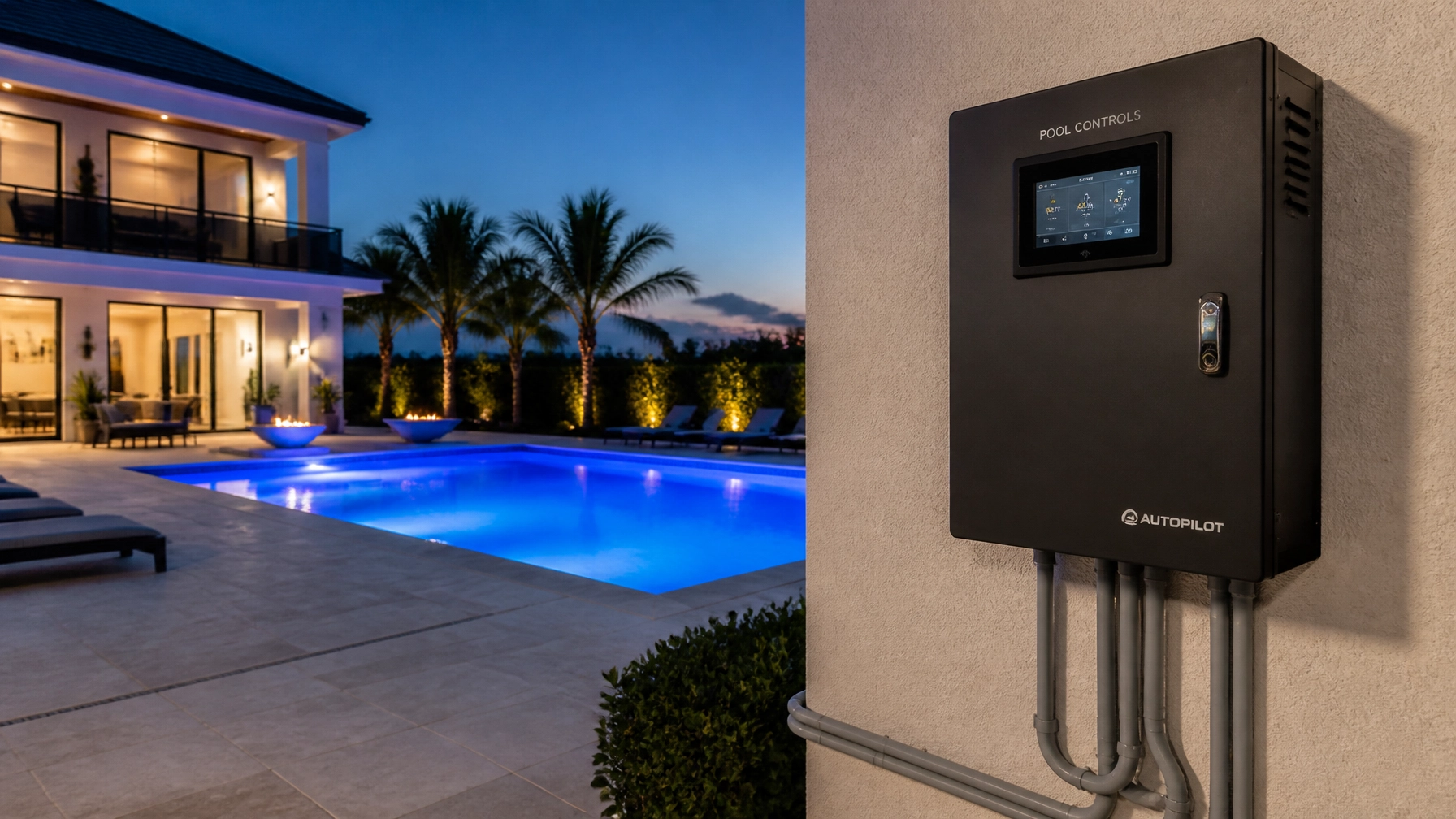
To upgrade your pool wiring and enhance safety, you must follow five essential steps: conduct a professional NEC 680 code audit, install comprehensive GFCI protection on all circuits, verify the equipotential bonding grid, correct conduit depths and clearances, and modernize with low-voltage LED lighting. Implementing these upgrades ensures your pool remains a safe environment while protecting your home’s electrical system from the unique stresses of the Florida climate.
Why Your Pool Wiring Needs an Upgrade Today
In Florida, a swimming pool isn’t just a luxury; it’s a centerpiece of the home. However, the combination of high humidity, salt air, and intense tropical storms creates a harsh environment for electrical components. If your pool was built more than a decade ago, its wiring may no longer meet the rigorous safety standards of the National Electrical Code (NEC) Article 680 or the Florida Building Code.
Faulty pool wiring is more than just a maintenance headache, it’s a severe safety hazard. From minor “tingles” in the water to catastrophic stray current, electrical issues in a pool environment can be life-threatening. At Graham Electric of FL Inc., we specialize in pool and spa electrical services, ensuring your backyard oasis is as safe as it is beautiful.
Step 1: Conduct a Professional NEC 680 Code Compliance Assessment
The first and most critical step in any pool wiring upgrade is a thorough evaluation by a licensed electrician in Florida. Pool electrical systems are governed by specific, complex regulations designed to keep electricity and water separate.
What are the key focus areas of a code assessment?
- NEC Article 680 Compliance: This is the “bible” for pool, spa, and hot tub wiring. An expert will check if your current setup, including pumps, heaters, and lights, meets the latest national standards.
- Florida Building Code Chapter 454: Florida has some of the strictest pool safety requirements in the country. We verify that your system aligns with local mandates regarding barriers and electrical inspections.
- Identification of Hazardous Materials: Older pools often use NM-B (Romex) or non-wet-location cables. These materials degrade quickly in our environment and must be replaced with moisture-resistant wiring like THWN.
By starting with a professional assessment, you avoid the guesswork and ensure that every dollar you spend on upgrades directly improves the safety and longevity of your system.
Step 2: Install and Extend Comprehensive GFCI Protection
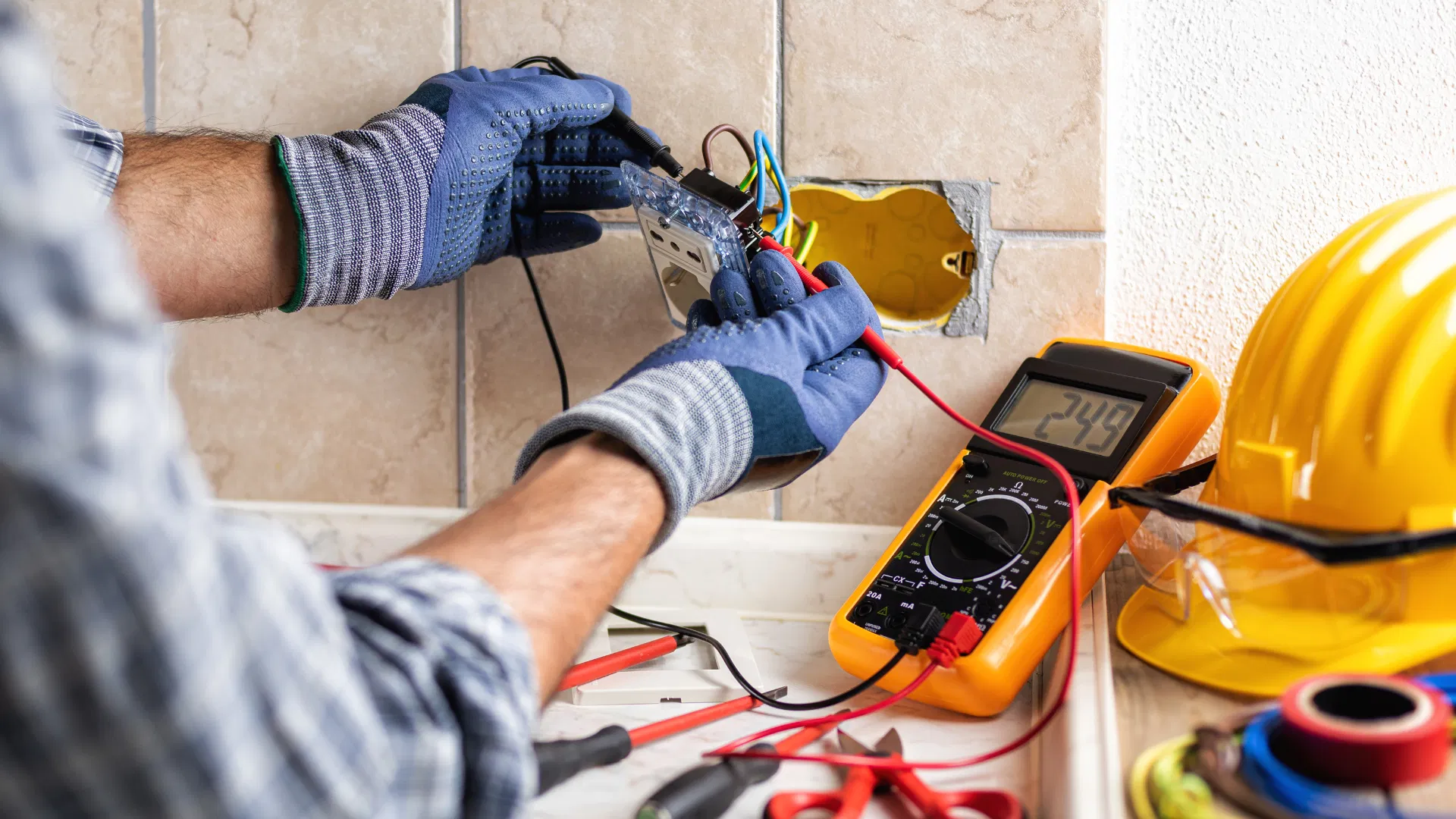
Ground-Fault Circuit Interrupter (GFCI) protection is your primary defense against electric shock. A GFCI monitors the flow of electricity and instantly shuts off power if it detects a leak, even a tiny one.
When should you upgrade your GFCI protection?
If your pool equipment is older, it may only have basic grounding. Modern standards require GFCI protection for virtually every circuit within 20 feet of the water.
Essential GFCI upgrades include:
- Pool Pump Motors: All outlets supplying pool pump motors (120V to 240V) must have GFCI protection, whether they are plug-in or permanently connected.
- Convenience Receptacles: Any 15-amp or 20-amp outdoor outlet within 20 feet of the pool wall needs a GFCI. Furthermore, no outlets are permitted within 6 feet of the water’s edge.
- Underwater Lighting: Older high-voltage lights are a significant risk. Upgrading to a GFCI-protected circuit is non-negotiable for 120V lighting systems.
At Graham Electric, our residential electrical services often involve moving GFCI protection from individual outlets to the main electrical panel. This provides a cleaner look and better protection for the entire branch circuit.
Step 3: Verify and Improve Equipotential Bonding & Grounding
While “grounding” directs stray current to the earth, “bonding” connects all metal parts of the pool structure to ensure they stay at the same electrical potential. This prevents a person from becoming the bridge between two different voltages.
How can you improve your pool’s bonding?
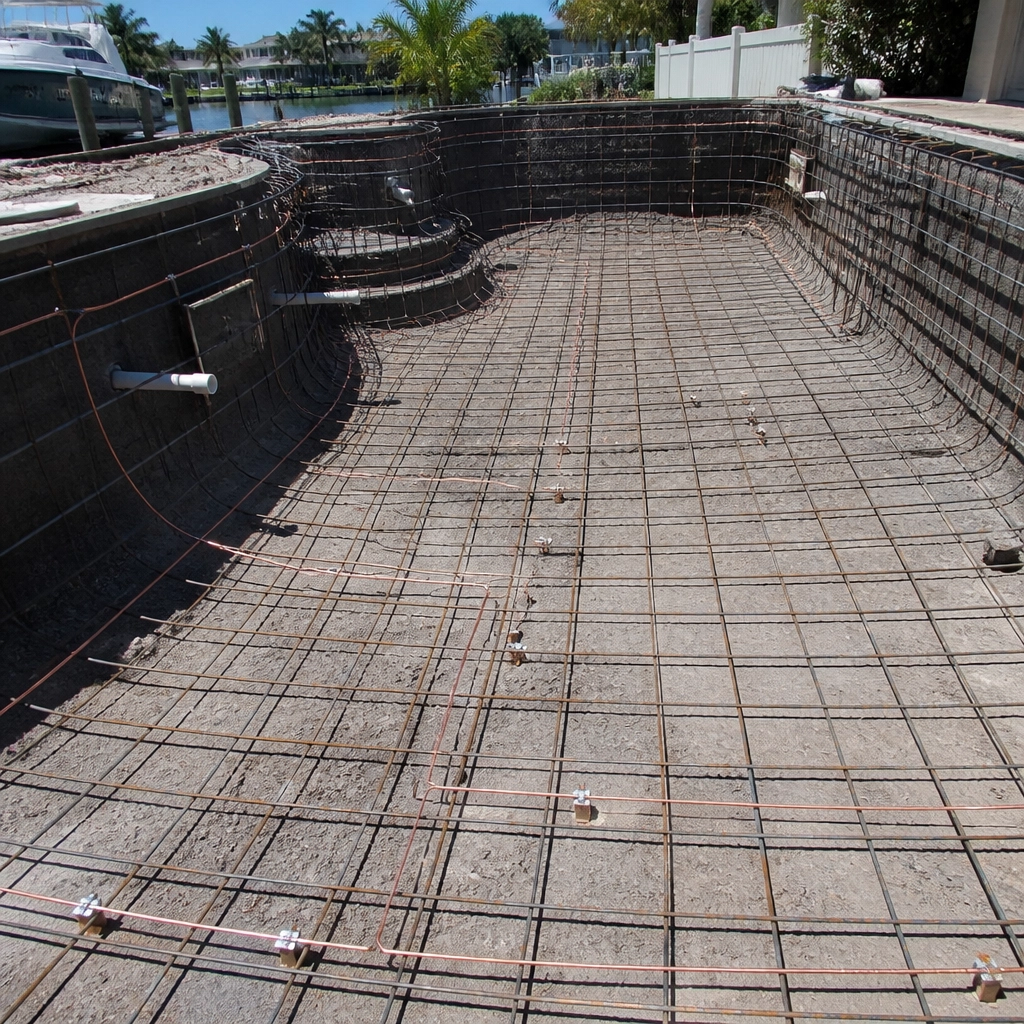
In Florida’s corrosive environment, bonding wires can snap or corrode over time. We focus on the equipotential bonding grid, which typically uses a #8 AWG solid copper wire to connect:
- The concrete pool shell’s reinforcing steel.
- Metal pool ladders, rails, and diving board stands.
- Pump motors, heaters, and metallic piping.
- The pool deck (perimeter surfaces) within 3 feet of the water.
Warning Signs of Poor Bonding:
- Feeling a “zap” when touching a metal ladder while in the water.
- Visible green corrosion on copper bonding lugs near your pump.
- Flickering pool lights when the pump kicks on.
If you notice any of these signs, contact a professional immediately to inspect your bonding grid.
Step 4: Correct Wiring Methods, Depths, and Clearances
Many older Florida homes have pool wiring that was buried too shallow or placed too close to the pool shell. Over time, shifting soil or deck renovations can expose these lines, creating a massive hazard.
What are the proper wiring methods for pools?
- Trenching Depths: Underground wiring must be buried at specific depths, typically 18 inches for PVC conduit and 6 inches for rigid metal conduit (RMC).
- Horizontal Clearances: Generally, underground wiring should not be under the pool and must maintain a 5-foot horizontal distance from the inside pool wall unless housed in specific protective raceways.
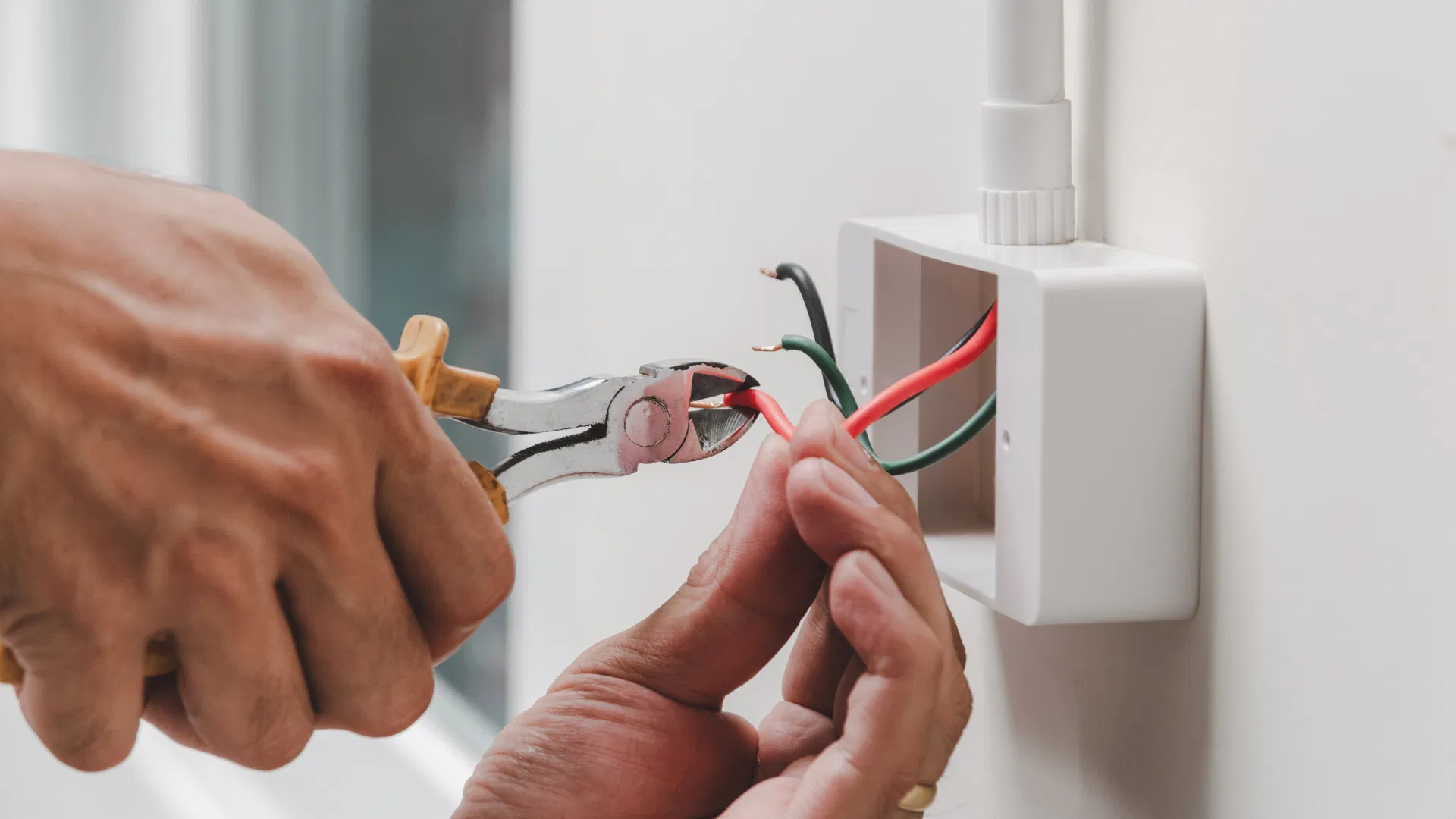
- Wet-Location Rated Conductors: We never use standard indoor wire for pool runs. We utilize THWN or XHHW conductors, which are specifically designed to withstand the heat and moisture of the Venice and Sarasota soil.
Correcting these wiring methods often requires professional troubleshooting and repairs. It may seem like a large task, but ensuring your conduit is at the right depth and made of the right material is a permanent fix for your safety concerns.
Step 5: Modernize with Low-Voltage LED Lighting and Automation
The final step in a safe upgrade is moving away from high-voltage components toward safer, more efficient technology. Modern low-voltage LED pool lights operate at less than 30 volts, which is inherently safer than traditional 120V incandescent bulbs.
Benefits of Modernizing Your Pool Electric:
- Safety First: If a low-voltage light housing leaks, the risk of serious injury is dramatically reduced compared to high-voltage systems.
- Energy Efficiency: LED lights use up to 80% less energy and last significantly longer, reducing your monthly utility bills.
- Smart Control: Upgrading your pool panel allows for automation. You can control your pump, heater, and landscape lighting directly from your smartphone, ensuring everything is off when not in use.
For more information on modernizing your home’s electrical system, check out our guide on why an electrical panel upgrade is a smart investment.
Local Relevance: Keeping Venice Pools Safe
Living in Venice, FL, means we deal with unique challenges. Our high water table and salt-rich air accelerate the degradation of electrical enclosures and conduit. Furthermore, our frequency of lightning strikes makes surge protection an essential companion to any pool wiring project. A single nearby strike can fry your expensive pool pump and automation controllers if they aren’t properly protected.
At Graham Electric of FL Inc., we’ve spent over 40 years serving our neighbors in Venice, Sarasota, and the surrounding areas. We understand the local codes and the environmental factors that affect your home’s safety.
Frequently Asked Questions (FAQ)
How often should I have my pool’s electrical system inspected?
We recommend a professional inspection every 3 to 5 years for your pool wiring. However, you should test your GFCI outlets monthly using the built-in “test” button to ensure they are functioning correctly.
Can I DIY my pool pump wiring?
No. Pool wiring is one of the most dangerous areas of residential electrical work. Because water and electricity are such a volatile mix, all pool and spa electrical work should be performed by a licensed electrician in Florida to ensure code compliance and safety.
What is the “tingle” I feel when touching the pool ladder?
This is often a sign of “stray voltage” caused by poor bonding or a failing ground. It is a serious warning sign. If you feel any sensation of electricity in or around your pool, turn off the power at the main breaker and call an electrician immediately.
Does surge protection help with pool equipment?
Yes. Modern pool pumps and heaters use sensitive electronic boards that can be easily damaged by power surges. A whole-home surge protector is a highly recommended upgrade for any Florida homeowner with a pool.
Conclusion: Trust the Experts at Graham Electric
Upgrading your pool wiring is an investment in your family’s safety and your home’s value. By following these five steps: assessment, GFCI installation, bonding verification, proper conduit routing, and modernization: you can enjoy your Florida lifestyle with total peace of mind.
Don’t wait for a “tingle” or a failed pump to address your pool wiring electrical needs. Whether you’re in Venice, Sarasota, or North Port, the team at Graham Electric of FL Inc. is here to help. With 40 years of experience and a commitment to transparent pricing, we are the trusted choice for all your residential electrical services.
Ready to secure your pool for the summer?
Contact Graham Electric of FL Inc. today at (941) 486-8190 to schedule your comprehensive pool safety inspection. You can also visit our booking page to request a consultation online.